
5 Little Known Latino Facts About ‘The Great Gatsby’

While the book does not have any Hispanic characters, there are a few latino connections that should not be missed.
Check out the little known Hispanic facts about “The Great Gatsby.”
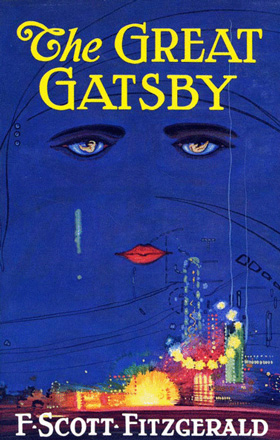
1. Francis Coradal-Cougat created the book cover art “Celestial Eyes” for “The Great Gatsby” book.
Cugat was born in Spain and raised in Cuba. The infamous cover was created before F. Scott Firzgerald finished writing the book. It is said that he was so enamored by the artwork that he “wrote it into” the novel. The cover shows disembodied eyes and a mouth over a blue skyline, notable, there are images of naked women reflected in the irises.
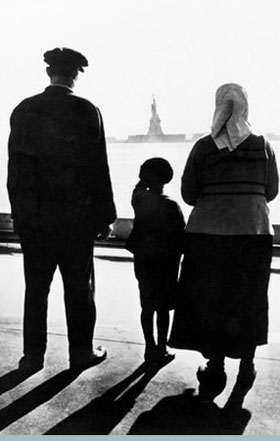
2. “The Great Gatsby” takes place 1922 when the U.S. was experiencing a great wave of immigration.
Between 1901 and 1920, more than 14 million immigrants entered the United States, largely from Southern and Central Europe. In 1921 The Immigration Act of 1921 restricted the number of southern & eastern Europeans but did not limit the number of Mexican agricultural workers coming to U.S.
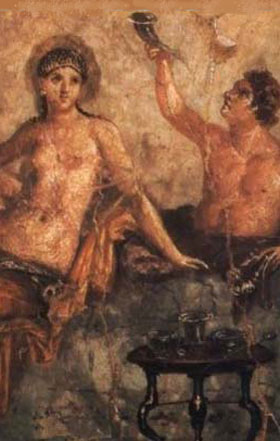
3. The novel was almost called something else—Fitzgerald had been throwing around the idea of using: “Trimalchio, Among the Ash Heaps and Millionaires” or “Trimalchio in West Egg.”
Trimalchio is a character in ancient Roman fiction. Trilmachio was also made famous in Octavio Paz’s poem “I Speak of the City.” Instead of using Trilmacho in the title, Fitzgerald opted to cite him in the book, “It was when curiosity about Gatsby was at its highest that the lights in his house failed to go on one Saturday night – and, as obscurely as it began, his career as Trimalchio was over.”

4. Ernesto Quiñonez was inspired by “The Great Gatsby” in his novel “Bodega Dreams.”
Set in Spanish Harlem, Quiñonez develops a character, Chino, who searches for a lost love who he built his success to impress. Similar to what Gatsby does to catch Daisy’s eye.
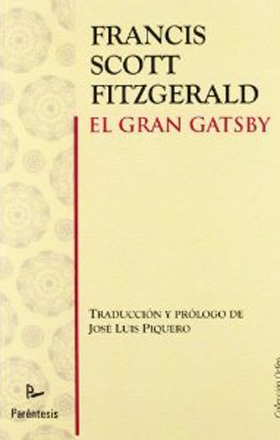
5. The Spanish poet and writer Jose Luis Piquero translated and provided the prologue to the latest Spanish-language version of “El Gran Gatsby.”
Piquero’s 2011 version has been very successful in Spain. The writer is also known for translating other celebrated works ranging from Charles Dickens to Mark Twain.
This article was first published in Hispanically Speaking News.
[Photos courtesy Hispanically Speaking News]