
Translated Drug Labels Are Often Wrong
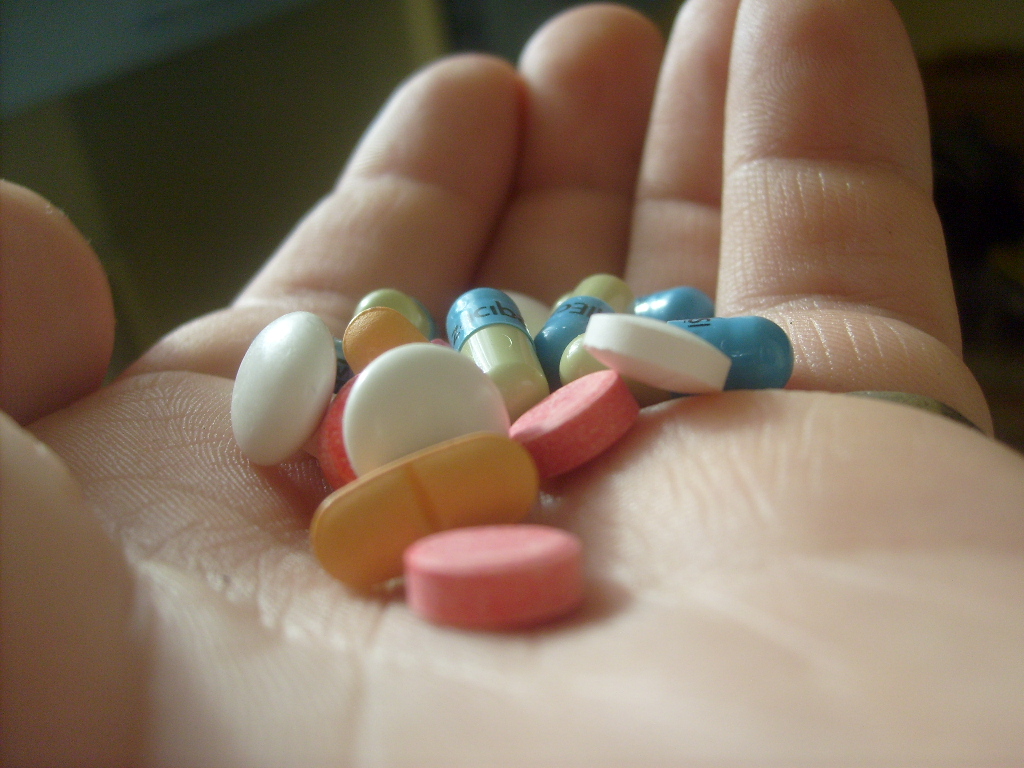 This hits really close to home. I have a 90 year old father who hasn’t been feeling well these past few days. The doctor says he caught a virus and that we need to make sure he doesn’t dehydrate. His body chemistry is on a precarious balance and any little fluctuation can toss other critical levels off kilter.
He’s got a pill box, divided into days and hours, where we dole his medication so that all he has to do is flip a lid and take the pills inside at the required time – morning, noon and night. We read the directions on the bottles and follow them precisely. He’s lucky that he has someone to look after such things.
A recent AARP report explains that many of our elders in the Latino community are putting their health at risk because the translations, from English to Spanish, on the medicine bottles are often wrong.
For instance, the word “once,” as in “take once a day,”means “one time” in English, but “11” in Spanish.
“Orally,” por la boca, was confused with por la poca, “by the little.”
Phrases such as “take with food” and “for 7 days” were dropped entirely.
I think a lot of the problem stems from the reverence that many elders have towards doctors: their word is unquestioned gospel. But the “el doctor dijo” attitude is counter productive. The elderly need to understand that they have the right to question their physician and pharmacist.
Most of the time, when patients come to the pharmacy they have no idea what’s been prescribed to them. The doctor just hands them the prescription and says, “Get this filled.” Patients should make sure they understand what they’re being given and why. If you get your medicine from a pharmacist who doesn’t speak Spanish, ask for one who does. Patients can also call the pharmacy anytime and ask questions if they have any doubts.
When it comes to medication, as I’ve personally learned, there is no substitute for explicit information.
Follow Victor Landa on Twitter: @vlanda
[Photo by stocl.xchng]